
9/11: The Lessons That Still Shape Safe Evacuation Today
 As we mark the 25th anniversary of 9/11, we remember those who lost their lives and recognise the lasting impact the tragedy has had on building safety, emergency planning and evacuation procedures across the world.
Why Emergency Evacuation Planning Matters
One of the key lessons from 9/11 was the critical importance of having effective emergency evacuation plans, clear communication procedures and regular training in place before an emergency occurs. Accounts from the World Trade Center show how thorough preparation and rehearsed evacuation procedures helped people respond under exceptionally difficult circumstances.
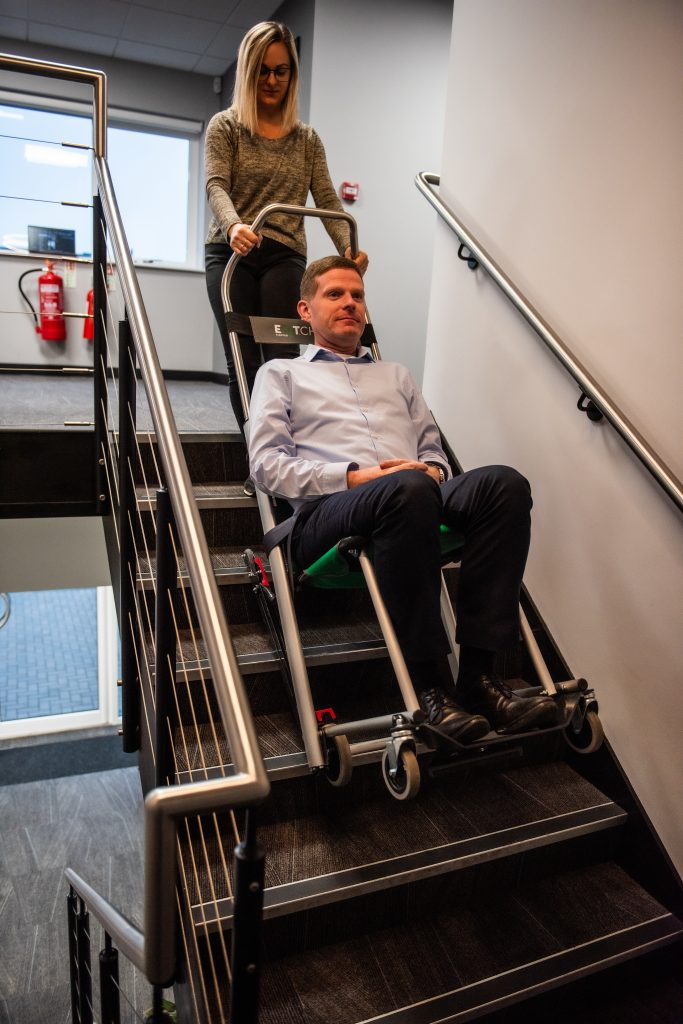
The experience also reinforced the importance of considering every building occupant, including people who may need assistance to leave by the stairs. The successful evacuation of wheelchair user John Abruzzo from the World Trade Center using an evacuation chair provides a powerful example of why suitable equipment, planning and trained support matter.
Inclusive Evacuation Responsibilities Today
Across the UK, organisations must take appropriate steps to protect people from fire and provide suitable emergency arrangements. In England and Wales, the building’s Responsible Person must carry out and regularly review a fire risk assessment, maintain suitable fire safety measures, plan for an emergency and provide staff with information and training.
Evacuation arrangements should account for people who may be unable to use stairs independently, whether because of a disability, reduced mobility, injury or another temporary or long-term need. This may involve Personal Emergency Evacuation Plans, suitable escape routes and appropriate evacuation equipment. Read more about evacuation chair regulations and fire safety responsibilities or use our evacuation chair risk assessment guide when reviewing your arrangements.
How Evacuation Chairs Support Emergency Readiness
For people who cannot safely use stairs during an evacuation, evacuation chairs form a vital part of an inclusive emergency evacuation strategy. They provide a practical way to assist people down stairways when ordinary passenger lifts cannot be used.
However, providing the equipment is only one part of being prepared. Regular evacuation chair training, practice drills and clear procedures help staff understand their roles and operate the equipment confidently. Planned evacuation chair servicing and maintenance also helps keep chairs safe, reliable and ready for use.
British-Made Evacuation Chairs from Exitmaster
At Exitmaster, we are proud to manufacture our evacuation chairs in Britain, supplying reliable solutions that help organisations meet their evacuation responsibilities while supporting the safety and dignity of building occupants.
Our range includes upright and traditional evacuation chairs for safer stairway evacuation, with options to suit different buildings, passengers and operator requirements. Alongside our chairs, we provide training, servicing and accessories to support long-term emergency readiness.
The message from 9/11 remains as relevant today as it was 25 years ago: preparation can save lives, training builds confidence and inclusive evacuation arrangements help ensure that nobody is overlooked during an emergency.
Speak to an evacuation expert about evacuation chairs, training, servicing or improving your building’s emergency evacuation arrangements.
Visit Exitmaster at REHACARE 2026
Visit Exitmaster at REHACARE 2026 in Düsseldorf from 23 to 26 September 2026. We will be showcasing our British-made evacuation chair range and discussing best practice for inclusive evacuation planning, operator training and fire safety preparedness.